


Invisalign Aligners have become a popular choice for people who want to straighten their teeth without the appearance of traditional metal braces. The clear, removable trays are designed to gradually move teeth into their planned positions while allowing patients to continue with their normal routines.
One common question patients have before starting treatment is: “How often should I change my Invisalign Aligners?” The answer depends on your individual treatment plan, but most patients move to a new set of aligners at regular intervals as their teeth gradually shift.
What Are Invisalign Aligners?
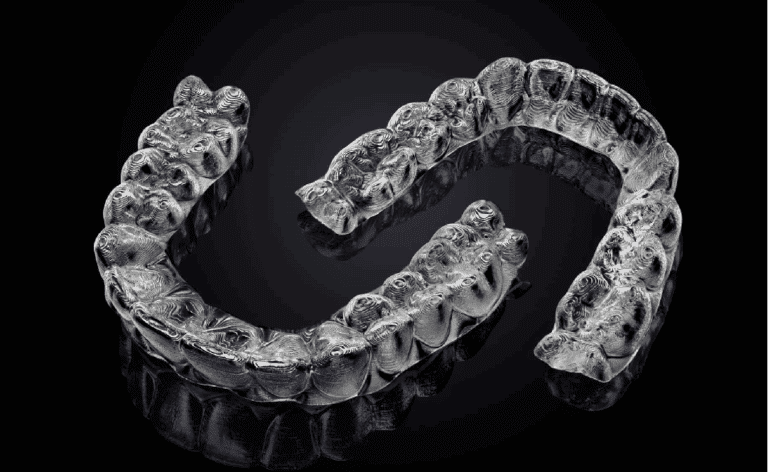
Invisalign Aligners are custom-made, transparent trays designed to apply gentle and controlled pressure to specific teeth. Unlike conventional braces, they do not use metal brackets or wires.
They are particularly popular among teenagers and adults who want a more discreet orthodontic treatment. Since the aligners can be removed when eating, brushing and flossing, maintaining your regular oral hygiene routine is also easier.
However, Invisalign treatment is not simply about wearing clear trays. Each set is part of a carefully planned treatment sequence, and following the recommended schedule is important for achieving the desired results.
When Should You Change Your Invisalign Aligners?
Follow Your Orthodontist’s Schedule
The timing for changing Invisalign Aligners can vary from one patient to another. In many treatment plans, patients are instructed to change to a new set approximately every 1–2 weeks. However, your orthodontist may recommend a different schedule depending on how your teeth are responding.
It is important not to change your aligners earlier than recommended. Moving to the next tray before your teeth are ready may affect how accurately the aligners fit and can interfere with the planned movement of your teeth.
What Happens When You Move to a New Aligner?
When you put in a new set of Invisalign Aligners, you may notice some pressure or mild tenderness around your teeth. This is generally expected because the new tray is designed to continue the next stage of tooth movement.
The sensation is usually temporary and tends to become easier as you get used to each new set. If you experience significant or persistent discomfort, speak with your orthodontist rather than stopping treatment on your own.
How Long Should You Wear Invisalign Aligners Each Day?
For Invisalign treatment to work as planned, patients are generally advised to wear their aligners for around 20–22 hours a day, depending on their orthodontist’s instructions.
The aligners should usually only be removed for activities such as eating, drinking anything other than water, brushing and flossing.
Consistent wear matters because your teeth need regular, controlled pressure to move according to the treatment plan. Frequently leaving your aligners out for long periods can affect your progress and may mean that a new set does not fit properly.
Signs That It May Be Time for a New Aligner
Your orthodontist will provide a specific schedule for progressing through your aligners. Some common signs that you are ready to move to the next set may include:
- Your current aligner fits comfortably and securely.
- You have worn it for the recommended period.
- The prescribed wear schedule has been completed.
- Your orthodontist has instructed you to move to the next tray.
Do not rely only on how the aligner feels to decide when to change it. Even if a tray feels loose or comfortable, your teeth may not have completed the planned movement.
Tips for Getting Used to New Invisalign Aligners
Switching to a new aligner can sometimes cause temporary pressure or irritation. A few simple habits can make the transition easier.
Keep Your Aligners Clean
Clean your aligners regularly according to your orthodontist’s instructions. Keeping them clean helps maintain good oral hygiene and prevents unpleasant odours.
Use the Aligner Case
Whenever you remove your aligners, place them in their protective case. Wrapping them in tissue or leaving them loose can make them easy to misplace or accidentally throw away.
Maintain Good Oral Hygiene
Brush and floss your teeth before putting your aligners back in whenever possible. This helps prevent food particles and bacteria from remaining trapped between your teeth and the trays.
Give Your Mouth Time to Adjust
A new aligner may feel slightly tighter than the previous one. Mild pressure is often part of the treatment process. If the discomfort is severe, lasts longer than expected or the aligner does not fit correctly, consult your orthodontist.
What If Your New Aligner Doesn’t Fit?
Sometimes a new Invisalign Aligner may feel unusually tight or may not sit properly over the teeth. This can happen if you didn’t wear the previous aligner for the recommended time or if your teeth haven’t tracked as expected.
If your new tray does not fit properly, do not force it into place. Contact your orthodontist for advice. They may recommend wearing the previous aligner for longer or assessing your teeth before continuing with the next stage.
Invisalign Aligners in Bangalore
If you are considering Invisalign Aligners in Bangalore, choosing an experienced orthodontist is an important part of the process. Every patient’s teeth, bite and treatment requirements are different, so Invisalign treatment should be planned after a proper dental and orthodontic assessment. Patients in Bangalore can consult an orthodontic professional to understand whether clear aligners are suitable for their smile and how long their individual treatment may take.
Frequently Asked Questions
How often do Invisalign Aligners need to be changed?
In many cases, Invisalign Aligners are changed every one to two weeks, but the exact schedule depends on your treatment plan and your orthodontist’s instructions.
Can I change my Invisalign Aligners early?
You should not change to the next aligner earlier than instructed. Your teeth need sufficient time to respond to the current tray before moving on to the next stage.
Is it normal for a new aligner to feel tight?
Yes. A new aligner can feel tighter because it is designed to continue moving your teeth. Mild pressure or tenderness can be normal during the first few days.
What should I do if my aligner is painful?
If you experience significant or persistent pain, contact your orthodontist. They can check whether the aligner is fitting correctly and advise you on the next step.
Book an Invisalign Consultation
Thinking about straightening your teeth without traditional metal braces? Invisalign Aligners may be an option worth discussing with an experienced orthodontist. A consultation can help you understand your treatment requirements, expected timeline and whether clear aligners are suitable for you.

