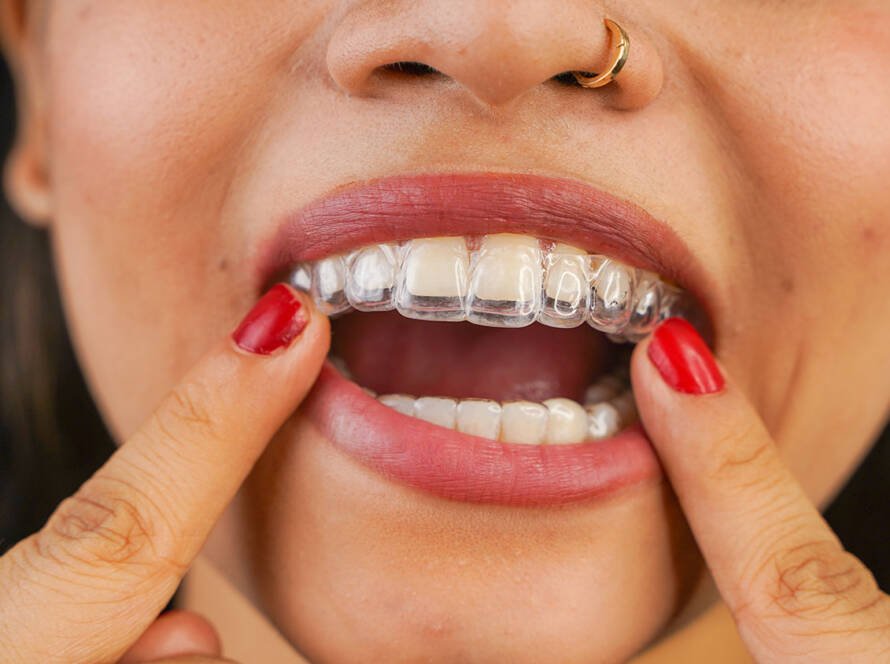
A confident smile can make a difference in the way you speak, interact with others, and feel about your appearance. However, crooked teeth, unwanted gaps, and bite problems can make some people hesitant to smile freely. If you want to straighten your teeth without wearing traditional metal braces, Invisalign may be an orthodontic treatment option worth considering.
When searching for the best Invisalign in Bangalore, it is important to look beyond the appearance of clear aligners. The experience of your orthodontist, the accuracy of your diagnosis, the complexity of your dental condition, and the quality of your treatment planning all play important roles in achieving an appropriate orthodontic outcome.
At Quintessence Dental, Dr. Krithika M. Jayaram provides orthodontic consultations for patients considering Invisalign treatment in Bangalore. Each patient requires an individual assessment to determine whether clear aligners can address their tooth alignment and bite concerns.
Whether you are a working professional looking for a discreet alternative to braces, a teenager with crowded teeth, or an adult considering orthodontic treatment for the first time, understanding how Invisalign works can help you make an informed decision about your dental health.
What Is Invisalign Treatment?
Invisalign is an orthodontic treatment system that uses a series of custom-made, transparent, removable aligners to gradually move teeth into planned positions.
Unlike conventional braces, which use brackets and wires attached to the teeth, Invisalign aligners fit closely over the dental arches and can be removed during meals and routine oral hygiene.
Each set of aligners is designed to produce specific tooth movements according to an individualized orthodontic treatment plan. Patients generally progress through a series of aligners under the supervision of their orthodontist.
Invisalign may be used to address various dental alignment problems, including crowded teeth, gaps between teeth, and certain bite irregularities.
However, clear aligners are not suitable for every orthodontic condition. A comprehensive examination is necessary to determine whether Invisalign can achieve the required tooth movements or whether another treatment method would be more appropriate.
Why Do Patients Choose Invisalign in Bangalore?
Many patients considering orthodontic treatment want a solution that addresses their dental concerns while fitting into their everyday routines.
For working professionals, college students, and adults who prefer a less noticeable orthodontic appliance, Invisalign offers several practical advantages.
1. A Discreet Alternative to Traditional Braces
One of the main reasons patients consider Invisalign is its transparent appearance.
The clear aligners are designed to fit closely over the teeth, making them less noticeable than conventional metal brackets and wires.
This can be particularly appealing to adults who regularly attend professional meetings, interact with clients, or prefer a more discreet orthodontic treatment option.
However, Invisalign attachments may sometimes be necessary to achieve specific tooth movements. These small tooth-coloured attachments can make the appliance more visible.
Your orthodontist can explain whether attachments or other additional components are likely to be required during your treatment.
2. Removable Aligners for Everyday Convenience
Unlike fixed braces, Invisalign aligners can be removed while eating, brushing, and flossing.
This allows patients to continue eating a varied diet without the same restrictions associated with some fixed orthodontic appliances.
Removing the aligners also makes it possible to brush and floss the teeth without navigating around brackets and wires.
However, patients must follow their orthodontist’s instructions carefully and wear their aligners for the prescribed duration each day.
3. Individually Planned Tooth Movement
Invisalign treatment involves creating a personalized orthodontic plan based on the patient’s tooth positions, bite relationship, and treatment requirements.
Digital scans and other diagnostic records help the orthodontist evaluate the existing alignment and plan the intended tooth movements.
A series of custom-made aligners is then designed to guide the teeth through the planned stages of treatment.
The treatment plan may also include attachments, elastics, interproximal reduction, or other orthodontic measures when clinically necessary.
4. Easier Access to Routine Oral Hygiene
Maintaining good oral hygiene is important throughout orthodontic treatment.
Because Invisalign aligners are removable, patients can brush and floss their teeth without fixed brackets and wires obstructing access.
However, aligners must be cleaned regularly, and patients should maintain good dental hygiene before reinserting them.
The National Institute of Dental and Craniofacial Research, a US government health research institute , provides educational resources on oral health, dental conditions, and preventive dental care.
Good oral hygiene and regular dental examinations remain important throughout Invisalign treatment.
What Dental Problems Can Invisalign Treat?
Patients searching for the best Invisalign in Bangalore often want to know whether clear aligners can correct their specific dental concerns.
Invisalign may be suitable for several types of orthodontic problems, but treatment eligibility depends on the severity of the condition and the movements required.
Crowded and Crooked Teeth
Dental crowding occurs when there is insufficient space in the dental arch for all the teeth to align properly.
As a result, teeth may overlap, rotate, or appear displaced from their normal positions.
Invisalign may help correct mild to moderate crowding and certain more complex cases through carefully planned tooth movements.
However, severe crowding may require additional orthodontic procedures or an alternative treatment approach.
An orthodontist must evaluate the available space, tooth positions, and bite before recommending treatment.
Gaps Between Teeth
Spaces between teeth can develop because of differences in tooth size and jaw size, missing teeth, or other dental conditions.
Invisalign may help close certain gaps by gradually moving the teeth closer together.
However, the underlying cause of the spacing must be identified before treatment begins.
Patients with gaps associated with gum disease, missing teeth, or other dental concerns may require additional care.
Overbite, Underbite and Crossbite
Bite problems occur when the upper and lower teeth do not meet in the intended relationship.
Certain overbite, underbite, and crossbite problems may be treated using Invisalign, depending on their severity and underlying cause.
However, significant skeletal jaw discrepancies or complex bite irregularities may require additional orthodontic appliances, fixed braces, or other treatment methods.
Your orthodontist will examine your bite and jaw relationship before determining whether Invisalign is appropriate.
Teeth That Have Shifted After Previous Braces
Some patients notice that their teeth gradually move after completing orthodontic treatment.
This can happen when retainers are not worn as prescribed or when other factors contribute to changes in tooth position.
Invisalign may be suitable for correcting certain cases of orthodontic relapse, including minor crowding or spacing.
The treatment required depends on the extent of tooth movement and the patient’s current oral health.
For a more detailed explanation of patient suitability, read our guide on who can get Invisalign treatment in Bangalore .
How to Choose an Invisalign Orthodontist in Bangalore
Choosing an orthodontist is an important part of planning Invisalign treatment.
Clear aligners are only one component of orthodontic care. Accurate diagnosis, appropriate treatment planning, and regular clinical supervision are necessary to determine whether the intended tooth movements are suitable for your dental condition.
When comparing Invisalign treatment providers in Bangalore, consider the following factors.
Orthodontic Qualifications and Clinical Experience
Orthodontics is a specialized area of dentistry concerned with correcting tooth alignment and bite problems.
An orthodontist undergoes additional postgraduate training in diagnosing and managing orthodontic conditions.
When choosing a provider, review the clinician’s qualifications, orthodontic training, professional registration, and experience treating conditions similar to yours.
At Quintessence Dental, Dr. Krithika M. Jayaram holds BDS and MDS qualifications and provides orthodontic consultations for patients considering clear aligner treatment.
During your consultation, you can discuss your dental concerns, understand the available treatment options, and learn whether Invisalign is suitable for your condition.
Comprehensive Dental and Bite Examination
A proper orthodontic assessment should evaluate more than the visible alignment of your front teeth.
Your orthodontist should examine your bite, jaw relationship, gum condition, existing dental restorations, and other relevant oral health factors.
Digital scans, photographs, and radiographs may be recommended when clinically indicated.
These diagnostic records help determine whether clear aligners can achieve the intended tooth movements safely and appropriately.
Personalized Treatment Planning
No two patients have exactly the same orthodontic requirements.
A patient with mild crowding may need a different treatment approach from someone with a complex bite problem or teeth that have shifted after previous orthodontic treatment.
Your orthodontist should explain the proposed treatment plan, expected duration, potential limitations, and any additional procedures that may be necessary.
A digital treatment simulation can help illustrate the intended tooth movements, but it does not guarantee the final outcome.
Clear Communication About Treatment Costs
Before beginning Invisalign treatment, ask for a detailed explanation of the estimated cost and what is included.
The quotation should clarify whether diagnostic records, aligners, scheduled reviews, additional aligners, and retainers are included or charged separately.
Understanding the financial aspects of treatment can help you compare options and plan your orthodontic care.
Follow-Up Care and Retention
Orthodontic treatment does not end when the final aligner is removed.
Regular reviews during treatment help your orthodontist monitor tooth movement and determine whether adjustments are necessary.
After treatment, retainers are generally required to help maintain the corrected tooth positions.
Ask your orthodontist about the expected follow-up schedule, retainer requirements, and long-term maintenance before starting treatment.
Invisalign Treatment Process at Quintessence Dental in Bangalore
Understanding the Invisalign treatment process can help you prepare for your orthodontic journey.
The treatment begins with an assessment of your teeth and bite, followed by individualized planning and a series of aligners designed to produce gradual tooth movement.
Step 1: Initial Orthodontic Consultation
Your first appointment involves discussing your dental concerns and examining your teeth, gums, and bite.
Dr. Krithika M. Jayaram evaluates your orthodontic condition to determine whether Invisalign may be suitable.
If you have untreated cavities, active gum disease, or other dental problems, these may need to be addressed before orthodontic treatment begins.
Your orthodontist will also discuss alternative treatment options if clear aligners are not appropriate for your condition.
Step 2: Digital Scanning and Treatment Planning
If Invisalign is considered suitable, digital scans and other necessary diagnostic records may be obtained.
Digital scanning creates a three-dimensional representation of your teeth, which helps your orthodontist assess their existing positions and plan the intended movements.
Additional diagnostic imaging may be recommended to evaluate the tooth roots, supporting bone, and jaw relationship.
Based on these findings, an individualized orthodontic treatment plan is developed.
Step 3: Receiving Your Invisalign Aligners
Once the treatment plan is finalized, your custom-made Invisalign aligners are prepared.
Each set of aligners is designed to move selected teeth gradually toward their planned positions.
Your orthodontist will explain how to insert and remove the aligners, how to clean them, and when to progress to the next set.
Some patients may require small tooth-coloured attachments or other orthodontic components to help achieve specific movements.
Step 4: Wearing Your Aligners Consistently
For many patients, Invisalign aligners need to be worn for approximately 20–22 hours per day, including while sleeping, unless the treating orthodontist provides different instructions.
The aligners should generally be removed while eating and drinking beverages other than water.
Consistent wear is important because the treatment plan depends on the aligners applying controlled forces over the prescribed period.
Failing to wear aligners as instructed may delay treatment or affect how closely the teeth follow the planned movements.
Step 5: Regular Orthodontic Reviews
During treatment, your orthodontist will schedule review appointments to assess tooth movement and check whether the aligners are fitting correctly.
The frequency of these appointments depends on your individual treatment plan.
Some patients may require additional aligners or modifications to achieve the intended alignment.
Regular follow-up appointments allow your orthodontist to evaluate treatment progress and address any concerns.
Step 6: Retainers After Invisalign Treatment
Once active orthodontic treatment is complete, retainers are generally recommended to help maintain the corrected tooth positions.
Teeth can shift after orthodontic treatment, particularly when retainers are not worn as prescribed.
Your orthodontist will explain the appropriate retainer type, wearing schedule, and long-term maintenance requirements.
Who Can Get Invisalign Treatment in Bangalore?
Invisalign may be suitable for teenagers and adults with certain tooth alignment and bite problems.
However, eligibility depends on the condition of your teeth and gums, the complexity of the required movements, and your ability to follow the prescribed treatment plan.
Adults who prefer a discreet alternative to fixed braces may consider Invisalign, while teenagers may also be suitable candidates depending on their dental development and orthodontic requirements.
Patients with untreated gum disease, significant tooth decay, or complex jaw problems may require additional dental care or a different orthodontic approach.
Age alone does not determine whether Invisalign is suitable.
The UK’s National Health Service guidance on orthodontic treatment explains that orthodontic treatment can begin at different ages, although the appropriate timing and treatment method depend on individual dental requirements.
A professional orthodontic examination is necessary to determine whether Invisalign is appropriate for your condition.
Invisalign Treatment Cost in Bangalore
The cost of Invisalign treatment in Bangalore varies depending on the complexity of the orthodontic condition, the treatment plan, and the number of aligners required.
A patient with minor spacing may have different treatment requirements from someone with extensive crowding or a complex bite problem.
The overall cost may also depend on whether additional orthodontic procedures, diagnostic records, or retainers are included in the treatment package.
Before beginning treatment, it is important to understand what the quoted amount covers.
At Quintessence Dental, patients considering Invisalign can discuss their treatment requirements and request an individualized cost estimate following an orthodontic assessment.
The final treatment plan and associated charges should be confirmed before proceeding.
Invisalign vs Traditional Braces: Which Treatment Is Suitable for You?
Both Invisalign and conventional braces are established orthodontic treatment options used to correct tooth alignment and bite problems.
However, they differ in appearance, design, daily maintenance, and the types of tooth movements they may be used to achieve.
Invisalign | Traditional braces |
|---|---|
Uses removable clear aligners | Uses fixed brackets and wires |
Less noticeable than metal braces | Metal brackets and wires are visible |
Removed during meals | Remain attached during meals |
Requires consistent patient compliance | Does not depend on remembering to wear a removable appliance |
Suitable for selected simple and complex cases | Can be used for a broad range of orthodontic conditions |
Requires cleaning of teeth and aligners | Requires cleaning around brackets and wires |
Invisalign may appeal to patients who prefer a removable, less noticeable appliance.
Traditional braces may be appropriate for patients who prefer a fixed appliance or whose orthodontic condition requires a different treatment approach.
Neither treatment is universally suitable for every patient.
An orthodontist can assess your dental condition and explain which treatment options are appropriate for your needs.
Invisalign Treatment in Bangalore for Working Professionals, Students and Families
Bangalore is home to a diverse population of working professionals, students, business owners, and families with different dental care requirements. Professionals working around Cunningham Road and Vasanth Nagar may prefer a discreet orthodontic appliance that fits into their daily office routines, while college students may be interested in clear aligners as an alternative to conventional braces. Families in Kalyan Nagar and surrounding residential areas may also be exploring orthodontic treatment options for teenagers or adults. Regardless of your location or lifestyle, choosing Invisalign should begin with a proper assessment of your teeth, bite, and overall oral health.
At Quintessence Dental, patients considering Invisalign treatment in Bangalore can discuss their dental concerns with Dr. Krithika M. Jayaram and learn about the orthodontic options available for their individual conditions.
Whether you want to address crowded teeth, close gaps, or correct certain bite irregularities, a professional consultation can help you understand the treatment process and expected requirements.
Why Consider Quintessence Dental for Invisalign Treatment in Bangalore?
When searching for the best Invisalign in Bangalore, it is important to choose a clinic where your orthodontic needs can be assessed individually.
At Quintessence Dental, Dr. Krithika M. Jayaram provides orthodontic consultations for patients considering clear aligner treatment.
The consultation focuses on understanding your dental concerns, evaluating your teeth and bite, and identifying appropriate treatment options.
Patients can discuss the potential benefits and limitations of Invisalign, the expected treatment process, and the importance of maintaining good oral health throughout orthodontic care.
Whether you are considering Invisalign for the first time or exploring treatment after previous braces, an individualized orthodontic assessment can help you make an informed decision.
Book an Invisalign Consultation at Quintessence Dental in Bangalore
If you are looking for the best Invisalign in Bangalore, begin by understanding your orthodontic needs and the treatment options available for your dental condition.
Invisalign may help correct certain types of crowded teeth, spacing problems, and bite irregularities while offering a removable and less noticeable alternative to conventional braces.
However, successful treatment planning requires an accurate diagnosis, appropriate tooth movement, consistent aligner wear, and regular orthodontic supervision.
At Quintessence Dental, Dr. Krithika M. Jayaram can evaluate your teeth and bite to determine whether Invisalign is suitable for your individual requirements.
Book an orthodontic consultation at Quintessence Dental in Bangalore to explore your Invisalign treatment options and receive a personalized treatment plan.