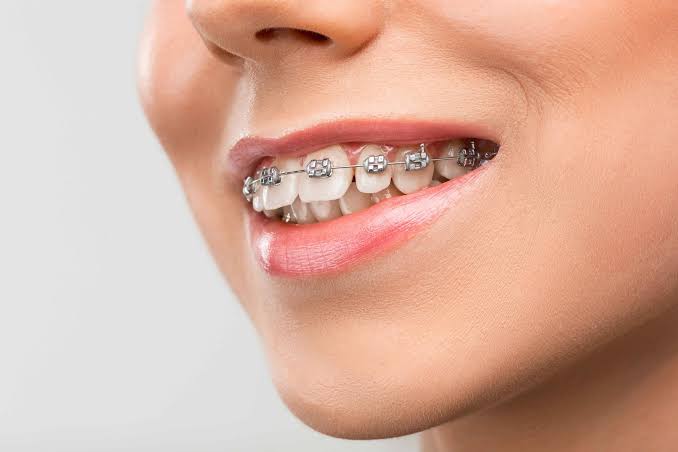
Keeping braces clean is easier when you follow dietary guidelines, brush and floss properly, and stay prepared. Check out the following tips for ensuring that your braces stay clean.
Eating with Braces
The first couple of weeks with braces are the hardest. All of the sudden, you have to be more careful about what you eat. If you want to keep your braces as clean as possible, you should avoid eating foods with too much sugar in them. The combination of sugar and saliva covers your teeth in plaque and increases your risk for cavities.
We mentioned a few foods, but here is a list of foods you can’t or shouldn’t eat with braces:
- Popcorn
- Nuts
- Sticky and hard candy
- Gum
- Ice
- Hard cookies or crackers
- Sticky or hard chocolate
- Thin-crust pizza
- Hard fruit
Brushing with Braces
If possible, you should brush your teeth after every meal. The food particles that get stuck in braces can become harder to reach as time passes and may eventually disintegrate, leaving cavity-inducing sugars on your teeth.
We recommend using an electric toothbrush. It has the ability to quickly and easily clean hard-to-reach areas. Some models are equipped with a tip that is designed specifically to gently clean around and between the wires of braces for even better performance. We also recommend brushing for at least two minutes to keep your braces clean.
Another way to really get your braces clean is to use mouthwash after brushing. Your toothbrush can only reach so much surface area underneath wires and around brackets. Mouthwash is able to flush out some of the missed spots, decreasing your risk for tooth decay. You should use mouthwash as recommended on the packaging and avoid mouthwash that contains alcohol.
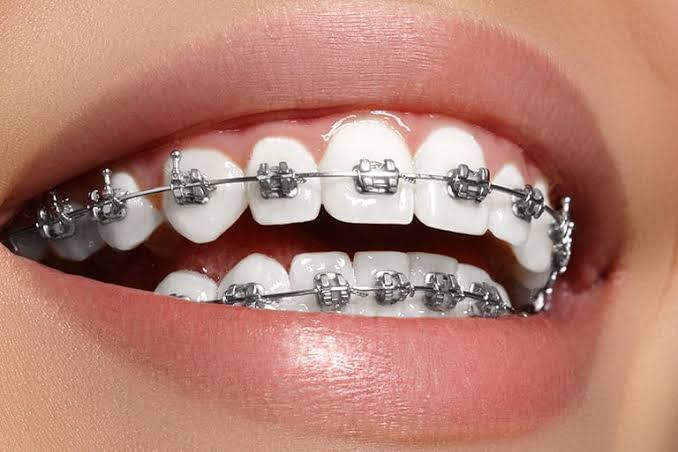
Soreness, especially along the gum line, is common with braces. Using mouthwash helps eliminate bacteria that can exacerbate soreness and inflame the gums even more.
Flossing with Braces
Flossing after every meal feels like a chore for many people, but it is extra important when braces enter the picture. Food particles and bacteria now have more places to hide, so adding flossing to the daily dental routine will help avoid cavities and bad breath and keep your braces clean.
On average, flossing with braces takes 10 to 15 minutes total. There are several ways you can go about flossing your teeth. The first is using traditional floss. Braces will rip and shred un-waxed flosses, so you will want to make sure to use wax-coated floss. To use regular floss on braces, you have to carefully thread the floss under the wire on each tooth. Once it is under, simply floss between the teeth like normal.
Another option that you have is a water flosser. These machines generate a powerful water stream that you spray between each tooth. It will remove trapped particles from around the brackets and help you speed up the entire flossing process.