


Orthodontic treatment in Bangalore has come a long way. Today, modern braces offer more comfortable, efficient, and discreet options than ever before. If you or your child are looking to straighten crooked or crowded teeth, you have likely come across self-ligating braces as an advanced alternative to traditional metal braces.
Self-ligating systems work on the same fundamental principle as conventional braces: they use brackets and an archwire to gradually guide your teeth into a healthier, perfectly aligned position.
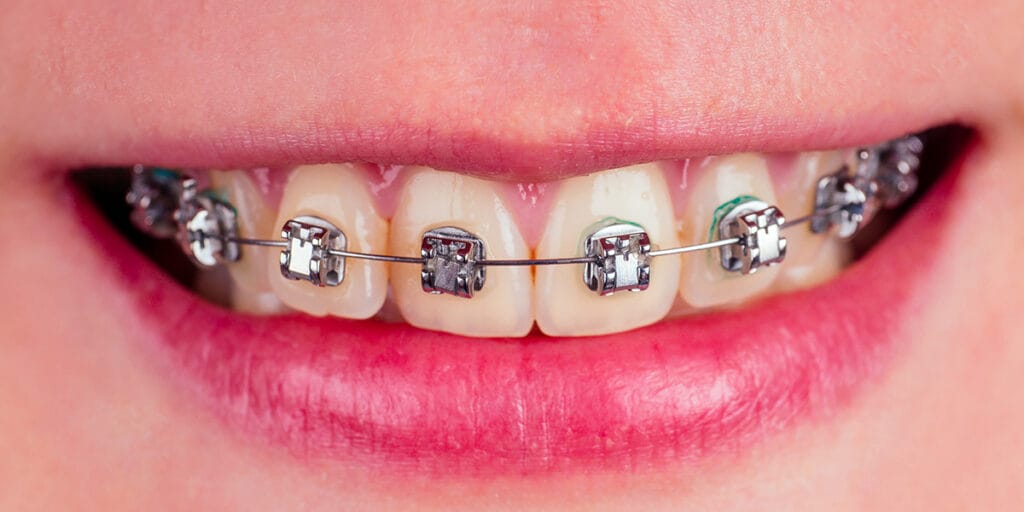
The key difference lies in how that archwire is held in place. Instead of using elastic bands or metal ties, self-ligating braces utilize a built-in clip or sliding mechanism within each bracket. This design change may seem small, but it significantly influences comfort, oral hygiene, and your overall treatment experience.
Below, we explain exactly how these advanced braces work, who they are best suited for, and what to expect when choosing this treatment.
How Do Self-Ligating Braces Work?
With any traditional orthodontic treatment, brackets are bonded to the teeth and connected by an archwire. This wire applies gentle, controlled pressure to encourage the teeth to move over time.
- Traditional Braces: The wire is secured using elastic bands (o-rings) or metal ligatures. These ties can create friction and pressure as the teeth shift.
- Self-Ligating Braces: Each bracket features a specialized, built-in door mechanism that holds the wire in place without the need for external ties.
Because the archwire can slide more freely within the bracket, self-ligating systems are designed to reduce friction. This allows for smoother, more comfortable tooth movement, particularly during the early stages of your alignment journey.
Who Are Self-Ligating Braces Suitable For?
There is no single orthodontic system that is universally perfect for everyone. Whether self-ligating braces are the right choice for you depends on several key factors:
- The complexity of your tooth misalignment
- Specific bite issues, such as overbites, underbites, or severe crowding
- Your age and current jaw development
- Aesthetic preferences and lifestyle requirements
- Budget considerations
Self-ligating braces are an excellent option for both teenagers and adults. They are frequently recommended for mild to moderately complex orthodontic cases. When you visit an orthodontist in Vasanth Nagar, Bangalore, they will thoroughly assess your teeth, jaw alignment, and long-term goals before recommending the most effective personalized treatment plan.
Types of Self-Ligating Braces
Leading systems, such as Damon braces in Bangalore, generally fall into two main categories based on how the bracket interacts with the archwire:
1. Active Self-Ligating Braces (ASLB)
Active self-ligating brackets utilize a spring clip that presses directly against the archwire.
- Applies active force to guide tooth movement more directly
- Often utilized in the later, detailing stages of treatment
- Offers highly precise control for complex cases
- Typically paired with thicker archwires for final adjustments
While some studies indicate faster tooth movement in specific scenarios, active systems are not strictly necessary for every patient profile.
2. Passive Self-Ligating Braces (PSLB)
Passive brackets feature a sliding door mechanism that securely holds the wire in place without pressing against it.
- Provides more space for the archwire to slide naturally
- Significantly reduces friction and pressure on the teeth
- Highly effective during the early treatment phases
- Generally associated with a more comfortable patient experience
Passive systems are commonly the go-to choice for resolving mild to moderate alignment issues and initiating smooth, initial tooth movement.

